Introducing Bamboo MCP: Stop Hiring a New Analyst Every Morning
 Jay Wong













You've connected Claude to your ad platforms. Asked it to pull reports. Maybe even set up a few MCPs directly in Cowork — Google Ads here, Meta there, GA4 over there.
It works. Sort of.
Your agent pulls the data, sees CPA went up 34%, and gives you a surface-level summary. It doesn't know that this always happens during your seasonal dip. It doesn't know the creative team swapped assets on Tuesday. It doesn't know the campaign in question is a test with different success criteria. It just sees numbers and describes them.
Every session, same thing. Raw data in, generic analysis out. No memory of what you discussed yesterday. No awareness of your brand's targets, your team's naming conventions, or the audience experiment that tanked last quarter.
It's 50 First Dates. Your agent has amnesia. It doesn't even know what questions to ask — it just works with whatever data gets returned and calls it analysis.
This isn't a model problem. Claude is brilliant. The problem is infrastructure. Your agent has access to data but no institutional knowledge — no context about what the numbers mean, no memory of what changed, no clue which numbers your team actually trusts.
It's the difference between a new analyst on day one and the one who's been on your team for two years.
What a Two-Year Analyst Knows
Think about what makes your best analyst effective. It's not their ability to pull a report — anyone can do that. It's everything else:
They know which numbers to trust. Not the raw API data, but the validated dashboards your team has built and maintained. The source-of-truth tables where metrics are deduplicated, definitions are consistent, and edge cases are handled. They don't pull from the API and hope — they query the numbers the team has already agreed on.
They know your brand. Target CPA is $15. Weekly budget is $50K. Campaign names follow Brand_Objective_Audience. The CEO wants Monday-to-Sunday windows. The design team uses #00D1A1, not #00C896. These aren't in any API — they're in people's heads and scattered Google Docs.
They know the history. Last quarter's QBR showed Meta outperforming Google on retargeting by 2.3×. Seasonal CPA spikes happen every March. The product-demo creative format has driven 3.4× ROAS consistently since Q3. This isn't data you pull — it's pattern recognition built over months.
They know the gotchas. "Don't expand to broad match — we tried that in Q3 and CPA spiked to $34." "Legal flagged the 'guaranteed results' copy." "The TikTok test campaigns are still in learning phase, don't include them in blended metrics." This is tribal knowledge. It lives in Slack threads, meeting notes, and the analyst's memory. It never gets documented.
They know what changed. Budget was increased $500/day on Monday. Creative was swapped on March 28th. The bid strategy changed on March 20th and that's when Google performance started declining. Without this context, your agent sees a number going up or down and has no idea why.
With direct MCPs, your agent gets data access — the first 10%. The other 90% is the institutional knowledge that turns a data pull into a decision.
How Bamboo Closes the Gap
Bamboo is an MCP server that gives your agent all five of these context layers from day one. Not by magic — by building the infrastructure that accumulates, stores, and surfaces institutional knowledge every time your agent works.
Tool Gateway → Source of Truth
One connection to 100+ marketing platforms. But the real value isn't the connection — it's what happens after. Data gets synced to Bamboo's sandbox, validated, and stored as queryable tables. Your agent doesn't pull from the Google Ads API and burn tokens parsing 50K rows. It queries your source-of-truth tables — the same numbers your team trusts.
Marketing Memory → Brand Artifacts + Gotchas
Your agent remembers your business. KPIs, naming conventions, team structure, past decisions — stored as persistent context that carries across every session. The first time you say "our target CPA is $15," Bamboo saves it. Every future session starts with that context already loaded. Your agent never asks twice.
The same system captures gotchas. When your agent learns that a certain audience tanked or that legal flagged specific copy, that knowledge persists. It doesn't repeat your mistakes.
Data Sandbox → Historical Performance
Pull data once, query it forever. Your QBR results, seasonal trends, cross-channel comparisons — all stored in Bamboo's sandbox, not burned as context window tokens. Ask "how did retargeting perform last quarter vs. this quarter?" and your agent queries stored data instantly, not re-pulling months of campaign history from three different APIs.
Routines → Proactive Monitoring
Your agent doesn't wait for you to ask. Routines run scheduled analysis — anomaly detection, pacing alerts, weekly performance reports. Your agent watches your campaigns while you sleep and surfaces what matters before you even think to check.
Change Logs → Universal Audit Trail
Every write action across every tool, tracked automatically. When your agent pauses a campaign, adjusts a budget, or swaps a creative — there's a record. Next session, your agent can check what changed, when, and what happened after. No more "who changed the budget on Tuesday?"
Connect in Under a Minute
Bamboo connects to Claude, ChatGPT, Cursor, and any MCP-compatible agent through a single URL.
Step 1: Open your agent settings and navigate to connectors.
Step 2: Add Bamboo as a custom connector. Name it "Bamboo" and paste the URL:
https://mcp.withbamboo.com/mcp
Step 3: Sign in to authenticate your Bamboo workspace.
That's the connection. Then the real work begins — onboarding your brand, connecting your ad accounts, teaching your agent your business context. We're not saying it's one click. We're building the infrastructure to get from the first 10% to 100%.
Every account you connect, every KPI you share, every gotcha your agent learns — it compounds. Session after session, your agent gets closer to that two-year analyst.
See It in Action
Here's what happens when you ask an agent with Bamboo to plan your next campaign. Watch the margin — each colored label shows where the insight came from.
The agent starts by checking your brand knowledge — target CPA, budget, platforms. Then it queries your source-of-truth performance tables, not raw API data. It checks the change log and finds the audience expansion that caused a CPA spike. It searches past learnings and flags the creative angle that failed in Q3.
The final recommendation isn't generic. It's specific: increase retargeting budget 20%, revert prospecting targeting, lean into product-demo creative. Campaign names follow your naming convention. Every insight is sourced from a different context layer — brand, SOT, changelog, gotcha, history.
Try the interactive demos on our MCP page — click through Planning, Creative, Dashboards, Optimization, and Customer Analysis to see the full chain-of-thought for each workflow.
Get Started
Connect your agent to Bamboo in under a minute:
Open Agent Settings
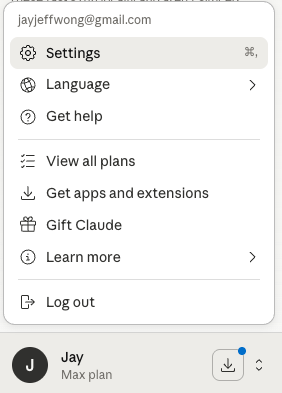
In Claude Desktop or Cowork, go to Settings → Connectors → Add custom connector.
MCP URL:
https://mcp.withbamboo.com/mcp
Then start teaching it your business. The more context you give, the more autonomous it gets. That's the whole point — stop hiring a new analyst every morning.
The AI Analyst for Marketing Reports & Insights
Say goodbye to "dumb" dashboards and reporting grunt work.
Try Now for Free